
Presentations and slide decks
Effective presentations do more than share information they help an audience understand ideas, see connections, and engage with a message. These projects demonstrate how I use visual design, storytelling, research, and instructional strategy to communicate complex concepts in clear and meaningful ways.
The collection includes individual and collaborative work exploring multimedia learning, game-based learning, and instructional design solutions to real-world challenges.
Design Solution
This collaborative project, developed with Amelia Handcock and Ninoskha Santana Torres, examined the workplace problem of instructional designers being included too late in the development process, after key project decisions have already been made. Together, we researched and analyzed the problem, considered the needs of multiple stakeholders, and developed a solution focused on earlier instructional design involvement to improve collaboration, reduce rework, and better align learning solutions with organizational and learner needs.
What This Project Demonstrates
Performance problem analysis, research, stakeholder analysis, collaborative problem solving, empathy-driven design, and solution development.
Tools Used
Canva, Genially, Adobe tools, research databases
Featured Artifact
View Design Solution Presentation
Supporting Artifacts
View Empathy Map
Explore Project Management Map
View Research & Design Documentation

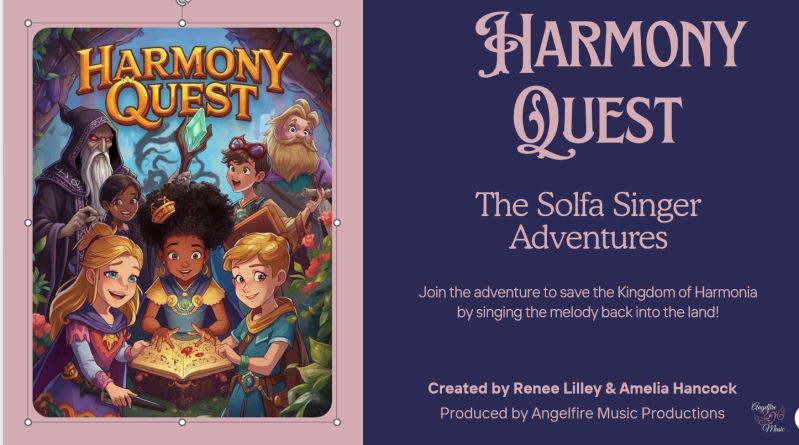
Harmony Quest - The Solfa Singer Adventures
Harmony Quest was a collaborative game based learning project that Amelia Handcock and I designed to help students strengthen music sight reading skills through quests, challenges, and progressive practice. We worked together throughout the design process to develop the game concept, learning activities, visual elements and evaluation approach, combining our ideas and strengths to create an engaging learning experience.
What This Project Demonstrates
Game-based learning, collaborative design, instructional strategy, visual design, and evaluation planning.
Tools Used
Canva, PowerPoint
Featured Artifact
View Harmony Quest Presentation
Supporting Artifacts
Explore the Project Overview
View Implementation Plan
View Evaluation Plan
PechaKucha Presentation
This PechaKucha presentation explores cognitive overload and how instructional designers can reduce it through thoughtful visual and multimedia design. The presentation follows the traditional PechaKucha format of 20 slides shown for 20 seconds each, requiring concise messaging, strong visuals, and careful pacing.
What This Project Demonstrates
Visual communication, multimedia learning principles, content prioritization, and presentation design.
Tools Used
PowerPoint, Canva
Featured Artifact
Watch PechaKucha Presentation
Supporting Artifact
View Cognitive Overload Lesson Plan
